A Allure concerning the Wormwood Glass: The History
A Allure concerning the Wormwood Glass: The History
Blog Article
The particular absinthe glass, often referred to as a "Verrerie," holds a rich history intrinsically bound to the spirit itself. Initially crafted in the late 19th period, these elaborate vessels, generally featuring a tall stem and a specific spoon, were intended to enhance the drinking process. The drilled spoon, rested across the top of the glass, allowed the slow, controlled addition of ice cold water, vital for diluting the potent absinthe and releasing its complex aromas. As the popularity flourished, so too did the renown of the glass, becoming an symbol of bohemian society and innovative expression, before its later ban and the subsequent comeback.
Absinthe Glasses: Choosing the Right Style
Selecting the perfect absinthe glass can seem a complex task, but understanding the several options available will assist you. Traditionally, absinthe is enjoyed from a specific type of glass, often a lowball or tumbler, but the use of a wormwood strainer and the iconic absinthe glass—a V-shaped glass designed to facilitate a controlled drip—is ever more preferred. Think about the holistic experience you're aiming for ; a simpler glass might be sufficient for a informal ritual, while the detailed absinthe glass adds to the genuineness and pageantry of the ceremony.
- Tumbler : A straightforward choice.
- Absinthe Glass with Wormwood Strainer : Provides the traditional absinthe experience.
- Goblet: A unusual but trendy option .
Ultimately, the most suitable absinthe glass is a question of subjective taste .
Decoding the Etched Details on Your Absinthe Glass
Your antique absinthe goblet is more than just a receptacle for the drink; it’s often a creation telling a tale. The intricate etched patterns aren't arbitrary; they frequently give clues to the producer, its era, and sometimes even the trend of the period. Look closely for common representations like ferns, muses, or art deco elements—these can suggest a particular source and its influence. Understanding these subtle markings might truly enrich your appreciation for your absinthe ritual.
Collecting Vintage Absinthe Glasses: A Guide
Embarking on the hobby of collecting vintage check here absinthe glasses can be a fascinating experience. These ornate vessels, often showcasing elaborate designs , offer a glimpse into a storied era. Originally used in the 19th century for the traditional consumption of absinthe, their distinct shape and complex artistry makes them highly desirable by aficionados. Assembling a collection requires investigation and patience , as acquiring truly authentic pieces can be difficult .
- Look for signatures to authenticate the glass’s origin.
- Consider the substance – most are blown from glass, but some are fashioned from rock crystal .
- Inspect the state carefully; damage significantly impact the value .
Bohemian Glass Care: Maintaining Your Priceless Investment
Your beautiful absinthe glass isn't just a vessel; it’s a item of history and often a considerable investment. Careful care is vital to ensuring it remains a cherished possession for years to come. Don’t using tough cleaning products , as they can degrade the glass’s intricate finish. Instead, softly wash it by manually with lukewarm water and a delicate dish detergent . Thoroughly rinse away any remaining soap, and permit the glass to dry on its own or gently dab it dry with a lint-free cloth. For occasional cleaning, a glass polish designed for vintage glassware can be applied , but always try it on an inconspicuous area first. Store your glass protectedly from knocks and extreme temperature fluctuations .
- Often inspect your glass for chips .
- Carry the glass by the base to avoid getting the bowl.
- Think about professional cleaning for seriously valuable pieces.
The Ritual: Serving La Fee Verte in Proper Drinkware
Serving this anise-flavored liqueur correctly is simply just pouring a measure . The proper chalice plays a crucial role in the experience. Traditionally, a tulip-shaped glass is employed , its shape intended to facilitate the development of the louche when water is added over the sweetener. This traditional process, often utilizing a barware and candies, elevates the drink from a mere beverage to a holistic journey.
Past the Verdant
While the quintessential absinthe experience is often pictured with a classic green chalice , several absinthe aficionados explore that the color of the drinking tumbler can actually change the perceived flavor and complete aesthetic. Reflect on the refined differences: a clear vessel allows for a fuller view of the absinthe's authentic hue and visibility, while a dark bronze tumbler can produce a darker ambiance. Even colored tumbler options, presenting a dusky tint, display an entirely different dimension to the absinthe tradition.
Green Fairy Glasses vs. Other Mixed Drink Glasses
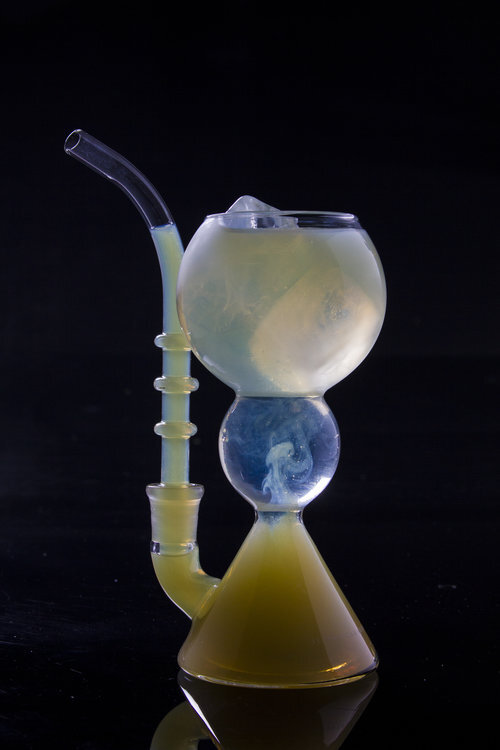
While any container can technically hold your potion , the traditional absinthe glass – the iconic “waare” – offers a truly unique experience compared to standard cocktail glassware. Typically , the waare is a slender glass designed to accommodate the absinthe measure and the following sugar lump and water dose . Its shape, coupled with the utensil and mesh spoon, allows for a slow, deliberate dripping process that enhances the olfactory profile. Other options , like a martini glass, may be more practical for presenting absinthe, but they lack the ritualistic element and visual appeal that the waare provides . Ultimately, choosing the right glass is about personal preference, but recognizing the waare’s history can deepen your enjoyment of this classic spirit.
- Explore the history of the waare.
- Consider the impact of the glass shape on flavor .
- Experiment absinthe in various glassware.
Absinthe Glass Style : From Jugendstil to Contemporary Period
The look of the absinthe vessel has undergone a remarkable evolution , reflecting the shifting sensibilities of each period . Initially, Jugendstil’s influence brought forth elaborate designs, often showcasing plant motifs and graceful lines, designed to amplify the ritualistic drinking experience. Later, the arrival of the contemporary age prompted a move towards simpler silhouettes , with a greater focus on clarity and the natural beauty of the glass itself, though remnants of the early artistic flair can still be observed in some sophisticated designs.
A Significance of the Green Sprig on Absinthe Cups
The familiar image of the wormwood leaf adorning absinthe cups isn't just a visual element . It profoundly represents the ingredient's central role in the celebrated absinthe concoction. Wormwood, understood for its bitter taste , historically gave absinthe its characteristic color and impact . Therefore, the sprig serves as a potent reminder of absinthe's complex legacy and its standing as a stimulating spirit .
Absinthe Glasses: A Luxury for a Banned Drink
The striking allure of absinthe is inextricably linked to the elaborate glassware it's served in. Despite a considerable period of legal prohibition, the tradition of using custom-made absinthe glasses has persisted, creating a paradoxical phenomenon. These glasses, often featuring detailed designs and engraved patterns, represent a poignant nod to the iconic status of the drink, offering a elegant ritualistic experience for the appreciative consumer and serving as a lasting reminder to a drink once deemed controversial.
Crafting the Perfect Absinthe Cocktail: The Glass Matters
The selection of vessel is surprisingly more critical than many appreciate when preparing the ultimate absinthe cocktail. A proper glass – traditionally a coupe – elevates the total ritual. Its broad base allows for the development of a beautiful louche, intensifying the aromatic qualities of the absinthe and perfecting the sensory impression. Consequently, don't dismiss the impact of your presentation container; it's a essential part of the classic absinthe ritual.
Report this page